Ever wondered why anxiety can turn from a common feeling into a major problem? Knowing about anxiety disorders is vital since they hugely affect society. Luckily, there are many ways to help. This article discusses how to handle anxiety and use treatments that really make a difference to mental health and happiness.
CBT, or Cognitive Behavioral Therapy, is a top choice, with lots of research backing it. It helps people manage their thoughts and feelings and teaches coping skills. There are many methods, including mindfulness and medicine, to help those with anxiety lead a healthier, more balanced life.
Key Takeaways
- Anxiety disorders are among the most prevalent mental health issues, leading to a critical need for effective treatment.
- Cognitive Behavioral Therapy (CBT) is recognized for its effectiveness in tackling various anxiety disorders.
- Regular practice of mindfulness and relaxation techniques can significantly alleviate anxiety.
- Building a supportive network is essential for those experiencing anxiety symptoms.
- Making lifestyle changes, such as routine development and physical activity, plays a crucial role in managing anxiety.
- Accessing professional help can provide individuals with tailored interventions for their specific anxiety needs.
Understanding Anxiety Disorders
Anxiety disorders are a big mental health issue for many. They cause a lot of fear or anxiety, affecting daily lives. Knowing about different anxiety disorders and their symptoms is key to managing and treating them.
What Are Anxiety Disorders?
Anxiety disorders include conditions that lead to severe anxiety. This anxiety can mess with relationships, work, and enjoying life. Studies show about 19.1% of U.S. adults face these issues each year. Many don’t seek help because they’re unaware of the treatments available.
Types of Anxiety Disorders
- Generalized Anxiety Disorder (GAD): Involves constant worry that disrupts daily life.
- Panic Disorder: Known for unexpected panic attacks, often confused with heart problems.
- Social Anxiety Disorder: Brings extreme fear in social settings, impacting 15 million adults.
- Specific Phobia: Creates intense fear of specific things or situations.
- Agoraphobia: The fear of places that might make escape hard.
Common Symptoms to Recognize
Knowing the common signs of anxiety disorders can help in getting help. Symptoms include:
- Constant worry or fear.
- Feeling restless or on edge.
- Being tired or finding it hard to focus.
- Physical signs like a fast heartbeat, sweating, and shaking.
These signs often lead to avoiding situations, making life harder. It’s crucial to notice these early and seek the right treatment.
Cognitive Behavioral Therapy (CBT)
Cognitive Behavioral Therapy, often called CBT, is a top treatment for anxiety. It focuses on changing harmful thoughts and actions into helpful ones. Through understanding how thoughts, feelings, and behaviors are linked, CBT helps lessen anxiety symptoms.
What is CBT?
CBT is a direct, structured method aimed at current problems, not past ones. It usually involves 6 to 20 sessions, each lasting 30 to 60 minutes. The therapy equips people with ways to handle anxiety. In the first few sessions, therapists check if CBT is a good fit for the person.
Techniques Used in CBT
CBT uses different techniques to foster change and improve emotional health. These include:
- Cognitive restructuring – It helps people find and change negative thoughts.
- Exposure therapy – This method slowly gets clients used to things that scare them, lowering their fear.
- Progressive muscle relaxation (PMR) – PMR aids in relaxation and decreases anxiety.
- Diaries or thought records – Writing down thoughts and behaviors helps identify recurring patterns.
Deep breathing exercises are also part of CBT. Doing them for about five minutes, three times a day, is advised for best results.
Effectiveness of CBT for Anxiety
Studies prove CBT’s success in treating anxiety, showing big improvements after around 8 sessions. Many report less anxiety, thanks to CBT’s structured approach. It works especially well when people actively work on challenging their negative thoughts. With anxiety affecting 18% of U.S. adults yearly, CBT stands out as a crucial treatment method.
Mindfulness and Meditation
Mindfulness and meditation are getting a lot of notice for helping mental health. Using mindfulness can greatly help with anxiety. Studies show using these techniques can make you feel more calm and in control emotionally.
Benefits of Mindfulness Practices
Mindfulness has many benefits. It’s proven to lessen anxiety and depression. For example, Mindfulness-Based Stress Reduction (MBSR) works as well as cognitive-behavioral therapy for anxiety.
A lot of us, about 47%, tend to think about other things a lot, which can make us unhappy. Focusing on now can lead to feeling better mentally. Mindfulness-Based Cognitive Therapy (MBCT) cuts the chance of depression coming back by half for some people.
How to Start Meditating
Starting meditation is easy and everyone can do it. You can start with short moments of being mindful of your breathing or going for a mindful walk. Just a little time each day can really help as you keep doing it.
You can try more organized programs like MBSR or MBCT later on. These have regular classes and help you get really good at mindfulness.
Mindfulness Techniques for Anxiety
There are special mindfulness techniques for anxiety. Body scanning and focusing on breathing helps relax and reduce stress. They allow you to notice anxious thoughts without harsh judgment.
Regular use of mindfulness not just lowers anxiety but also boosts your overall mental health.
Medication Options
Many people with anxiety find that medication is a key part of getting better. There are different types of anxiety meds available. Knowing about these can help people choose the best option for their health.
Types of Medications for Anxiety
Selective Serotonin Reuptake Inhibitors (SSRIs) and Serotonin Norepinephrine Reuptake Inhibitors (SNRIs) are common anxiety meds. SSRIs work well for nearly all anxiety conditions. However, SNRIs, like venlafaxine and duloxetine, might not be the top choice for obsessive-compulsive disorder (OCD). For short-term relief, benzodiazepines are used but should be taken with care.
How Medication Works
Medicines help by changing the brain’s chemical balance that affects mood and anxiety. SSRIs and SNRIs increase serotonin to reduce anxiety symptoms. Benzodiazepines offer quick relief but should not be used long-term. Knowing how these meds work can help people understand their treatment better.
Discussing Medication with Your Doctor
Talking openly with your doctor about medication is crucial. It’s important to share how you’re feeling, any worries, and side effects. Regular check-ups help ensure the meds are working right. Working together with your doctor helps find the best medication for your situation.
Lifestyle Changes to Alleviate Anxiety
Changing your lifestyle can greatly improve your mental health. Starting a steady daily routine adds structure and reduces uncertainty. The Anxiety & Depression Association of America states that nearly 20% of people in the U.S. face anxiety disorders. So, it’s vital to find effective ways to deal with it. Consider these significant lifestyle adjustments.
Importance of Routine
A clear routine acts like an anchor every day, easing anxiety by giving a sense of stability. By having specific times for waking, eating, working, and relaxing, you help your mental health. This order helps stop the overwhelming feelings that come with disorder or no clear plan.
Nutrition and Its Impact on Anxiety
Eating right is key for your mental health. Getting enough omega-3 fatty acids, vitamins, and antioxidants helps with anxiety. A well-balanced diet feeds your body and lifts your spirits. Studies show that good nutrition directly affects anxiety, and even staying hydrated is crucial; not drinking enough water can make your mood worse.
Physical Activity and Mental Health
Staying active is a must for your mental well-being. Just 30 minutes of exercise like walking, running, or dancing mostly every day can lower anxiety. These activities boost ‘feel-good’ hormones called endorphins. Even a short, 10-minute walk daily can make a big difference in managing anxiety, showing how crucial exercise is for mental health.
Breathing Techniques and Relaxation
Breathing techniques are key for managing stress and promoting calmness. They help you control your emotions and reach a peaceful mind state. By consistently using these methods, you can better your emotional health and life quality.
Deep Breathing Methods
Deep breathing is vital in fighting anxiety. It involves methods like diaphragmatic breathing, which slows the heart rate for calmness. For example, breathing in for four seconds and out for six for a few minutes can ease anxiety. Making these techniques part of daily life boosts calm feelings automatically and builds anxiety resistance.
Progressive Muscle Relaxation
Progressive muscle relaxation helps you notice and ease body tension. By tightening and then relaxing different muscles, you can pinpoint stress spots and find peace. This technique works well with deep breathing to better reduce anxiety.
Visualization Techniques
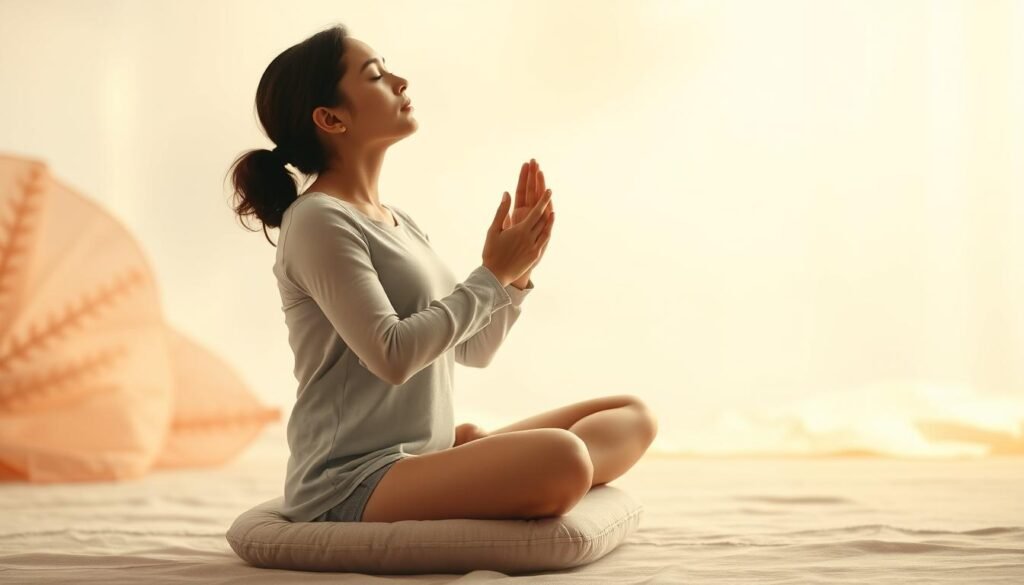
Visualization methods involve imagining relaxing places or moments to ease stress. Engaging in peaceful thoughts helps steer away from worries. Resources like UCLA’s offer guided meditations, which, along with regular breathing exercises, can greatly improve anxiety management. For more on breathing tips, visit this resource.
Support Groups and Community Resources
Support groups are great for those dealing with anxiety. They create a sense of belonging and understanding. People can share their stories and ways they manage stress. These groups vary and can be found both in your area and online. This makes getting help easier.
Finding Local Support Groups
Local support groups meet in places like community centers or health facilities. They usually have 5 to 15 people who all focus on managing anxiety. The meetings are about an hour long and happen weekly. Some groups welcome new people at any time, while others start and end with the same members.
Organizations like the National Alliance on Mental Illness (NAMI) offer resources and run these meetings. This helps people find the support they need close to home.
Online Resources for Anxiety Support
Online resources are great for those who like to stay home. Websites like 7 Cups and AnxietyTribe let people join group chats and meetings for free. This is good for those wanting to stay anonymous or needing flexible times. Some groups, like Emotions Anonymous, offer both face-to-face and online meetings.
Using these online tools helps fight loneliness. It also shows the power of group support and sharing ways to handle stress.
Benefits of Group Support
Being part of a support group has many perks. People often feel happier and more satisfied with life. This is because they feel connected to others. Group therapy is great for learning new ways to deal with stress. It helps build emotional strength.
These groups can be free or ask for a payment. They offer a less expensive choice than one-on-one therapy. Techniques like peer support, mindfulness, and exercise help people manage anxiety better.
Psychotherapy Types Beyond CBT
There are many ways to help people with anxiety. While many choose Cognitive Behavioral Therapy (CBT), there are other effective options. Techniques like Acceptance and Commitment Therapy (ACT), Dialectical Behavior Therapy (DBT), and Exposure Therapy each have their own way of tackling anxiety.
Acceptance and Commitment Therapy (ACT)
Acceptance and Commitment Therapy teaches people to accept their thoughts and feelings. It helps them find out what is really important to them. By doing this, ACT helps people take actions that add meaning to their lives, even when dealing with anxiety.
Dialectical Behavior Therapy (DBT)
Dialectical Behavior Therapy is great for those who feel emotions very deeply. It mixes cognitive-behavioral methods with mindfulness. DBT helps improve emotional control and how well people relate to others. It makes a big difference in mood and reduces sudden, impulsive actions, helping with anxiety.
Exposure Therapy Explained
Exposure Therapy involves facing fears little by little. This helps people get used to what scares them, reducing fear over time. It’s especially good for treating Post-Traumatic Stress Disorder (PTSD). Patients learn to handle stress and anxiety better, leading to lasting changes in how they react to fear.
Importance of Social Support
Having a support network is crucial for people dealing with anxiety. Knowing how social support helps with anxiety can improve coping skills and well-being. It’s important to make strong bonds with friends, family, and professionals who can offer help and encouragement.
Building a Supportive Network
Making a support network means reaching out to those who understand and care. Being close with family and friends offers solid emotional support, especially during stressful times. For those with anxiety, it’s helpful to have trusted people to talk with, share stories, and get advice from. These connections make their lives better and help fight anxiety.
How Friends and Family Can Help
Friends and family play a key role in handling anxiety. Their support brings comfort and a safe place to share feelings. Encouraging your loved ones to go to therapy or support groups can be very helpful. Just being there, listening, or doing things together can reduce feeling alone and anxious.
Seeking Professional Support
Finding professional help is essential alongside strong personal connections. Therapists and counselors have specific ways to manage anxiety. They add to the support from friends and family, giving a fuller way to deal with anxiety. Having experts in your network gives you more ways to help your recovery.

Integrative and Holistic Approaches
Integrative approaches for managing anxiety go beyond just meds. They mix different healing practices to help balance emotions and boost mental health. They focus on connecting the mind and body. Yoga, herbal remedies, and acupuncture are key parts. They have been effective in managing anxiety symptoms.
Yoga and Its Benefits for Anxiety
Yoga blends movement, breath control, and meditation. It’s a strong method for easing anxiety. Research shows that yoga can reduce tension and promote calmness. People practicing yoga regularly feel better emotionally. They become more mindful and clear-headed. Making yoga a daily habit can help those facing anxiety find some peace.
Herbal Remedies for Anxiety Relief
Many herbal remedies are known for their soothing effects on anxiety. Adaptogens like ashwagandha and kava don’t make you sleepy. Passionflower is as good as some meds in lessening anxiety. Including these herbs in daily life can improve health and emotional well-being.
Acupuncture and Stress Reduction
Acupuncture is a key holistic treatment for stress. It uses needles to target certain body points, relaxing the body and balancing the nervous system. Many studies back up acupuncture’s success in lowering anxiety. It’s a good choice for those looking for different treatments. Acupuncture can really help with managing anxiety.
Looking into integrative and holistic methods can give people comprehensive ways to tackle anxiety. These approaches can be used with conventional treatments for a complete mental health strategy. To learn more about these natural treatments, click on this resource.
Coping Strategies for Daily Life
Managing anxiety each day requires simple methods. These methods should fit into your daily life easily. For example, journaling, managing your time well, and creating a personal plan can really help. These plans should focus on your specific needs and the things that trigger your anxiety.
Journaling for Anxiety Management
Journaling is a strong way to deal with anxiety. It lets people understand their feelings and find out what makes their anxiety worse. Writing down your thoughts regularly can show trends in what stresses you out. Studies show that journaling lessens anxiety, depression, and stress. It helps you become more aware of your emotions. Continuing to journal can make you feel clearer and more in control when anxious feelings hit.
Time-Management Techniques
Good time-management skills can reduce anxiety. Feeling swamped by tasks can be eased by organizing your day. You can start by breaking big tasks into smaller steps. Setting deadlines and using planners helps keep things orderly. Making a daily schedule that includes work, rest, and self-care can make you more productive. It also helps you feel less stressed.
Developing a Personal Coping Plan
Creating a coping plan that’s just for you is key in handling anxiety. Your plan should have strategies that match your own experiences and needs. It might include exercise, eating habits, and ways to relax, like deep breathing. A solid plan helps you figure out what helps you the most. Adding in community support or activities can make your coping skills even stronger.
| Strategy | Description | Benefit |
|---|---|---|
| Journaling | Writing thoughts and feelings to identify triggers | Enhances emotional awareness and reduces distress |
| Time Management | Prioritizing tasks and organizing schedules | Reduces feelings of being overwhelmed |
| Personal Coping Plan | Creating a tailored strategy for anxiety management | Fosters a sense of control and resilience |
Seeking Professional Help
Knowing when to get help for anxiety is key. You should see a therapist if anxiety stops you from doing everyday things, you feel short of breath often, or you feel hopeless. In the U.S., about 31.1% of adults will face an anxiety disorder at some time. Getting help early can make a big difference.
Getting ready to see a therapist helps a lot. Think about your worries and what you hope to achieve with treatment. This helps make a focused plan for your visit. Making a list of questions for your therapist is also smart. You might want to ask about how they can help, what to expect, and their experience.
At your first meeting, being open and honest is crucial. Questions for a mental health professional might include asking about their experience with anxiety. Or what therapy they think is best. This helps build a strong relationship for good treatment and support as you recover.
FAQ
What are effective interventions for managing anxiety?
How does Cognitive Behavioral Therapy (CBT) help with anxiety?
What mindfulness techniques can reduce anxiety?
What types of medications are available for anxiety treatment?
How can lifestyle changes support anxiety relief?
What breathing techniques are effective for anxiety control?
How can support groups benefit individuals with anxiety?
What psychotherapeutic approaches can complement CBT?
Why is social support important for managing anxiety?
What holistic approaches can aid in anxiety management?
How can journaling help with anxiety?
When should someone seek professional help for anxiety?
Source Links
- Cognitive-Behavioral Treatments for Anxiety and Stress-Related Disorders
- 5 Proven Strategies to Manage Fear and Anxiety
- Therapy for Anxiety Disorders – HelpGuide.org
- Anxiety disorders – Diagnosis and treatment
- Understanding Anxiety Disorders
- What are Anxiety Disorders?
- Treating Anxiety with CBT | Article | Therapist Aid
- How it works – Cognitive behavioural therapy (CBT)
- Mindfulness-Based Interventions for Anxiety and Depression
- Meditation for Anxiety
- The Effect of Mindfulness-Based Therapy on Anxiety and Depression: A Meta-Analytic Review
- Medication Options | Anxiety and Depression Association of America, ADAA
- Anxiety medication: List, types, and side effects
- Pharmacotherapy of Anxiety Disorders: Current and Emerging Treatment Options
- 5 lifestyle changes that may help with managing anxiety or depression
- Complementary Medicine, Exercise, Meditation, Diet, and Lifestyle Modification for Anxiety Disorders: A Review of Current Evidence
- Lifestyle changes for managing anxiety | Parkview Health
- 8 Breathing Exercises for Anxiety You Can Try Right Now
- Breathing exercises for anxiety
- The Benefits of Support Group Therapy
- 7 best anxiety support groups
- How to choose the right support group
- A guide to different types of therapy
- CBT vs Other Therapy Approaches: A Comprehensive Guide
- Perceived Social Support Mediates Anxiety and Depressive Symptom Changes Following Primary Care Intervention
- Social Support Protects Against Symptoms of Anxiety and Depression: Key Variations in Latinx and Non-Latinx White College Students
- An Integrative Medicine Team Approach to Treating Anxiety
- Integrative Approaches to Anxiety
- Tips and Strategies to Manage Anxiety and Stress
- How to Cope with Anxiety: 11 Simple Tips
- Dana Behavioral Health – When to Seek Professional Help for Anxiety
- How to Help Someone with Anxiety