Did you know over 20% of adults aged 40 and older in the U.S. take five or more prescription meds? This fact shows how complex medication management is and why knowing about drug interactions is so critical. As treatments get more complicated, being careful with how drugs are mixed is key to staying healthy and safe.
Many people don’t realize that drug interactions can cause problems. This can happen with other meds, food, or health issues. Being proactive and learned about these risks is crucial. It means keeping an eye on how each drug affects you, understanding OTC drug labels, and talking openly with your healthcare team. This way, you can cut down the risk of bad reactions and keep your treatment working well.
The way we manage our health is changing. So, it’s very important to be careful about medication management. Talking regularly with your doctor and keeping an updated med list can help avoid trouble. If you’re curious about the dangers of mixing drugs, check out this source for more information.
Key Takeaways
- Over 20% of adults aged 40 and older take five or more medications, increasing risks of interactions.
- Drug interactions can decrease efficacy or cause unexpected side effects.
- Consult healthcare providers about all medications, including OTC drugs, dietary supplements, and vitamins.
- Staying organized with a list of medications is crucial for managing treatment effectively.
- Awareness of specific interactions related to health conditions can prevent harmful side effects.
Understanding Drug Interactions
Drug interactions are key in healthcare, affecting how medicines work in the body. When drugs are taken together, one might change how another works, which can lead to unexpected outcomes. Knowing about different drug interactions and their causes can help manage medications better.
Types of Drug Interactions
There are three main kinds of drug interactions:
- Drug-drug interactions: This happens when two or more drugs affect each other’s performance or safety.
- Drug-food/beverage interactions: Some drinks, foods, or herbal products might change how drugs work. For instance, alcohol can alter the effects of many medicines. Women and older people may see increased effects due to how their bodies handle alcohol.
- Drug-condition interactions: Having chronic illnesses can change how safe and effective medications are. Those with long-term health issues often have higher risks with their medicines.
Common Causes of Drug Interactions
Many factors can lead to drug interactions. The more medicines a person takes, the higher their risk is. This is especially true for older adults who usually have several prescriptions.
How medicines, alcohol, and specific foods interact needs careful attention. For example, grapefruit can change how the body handles certain drugs, like statins and antianxiety medications. Patients must watch out for possible causes of drug interactions to prevent harmful effects.
The Importance of Medication Management
Managing medicines correctly is vital for health and safety, especially with polypharmacy. Polypharmacy means using many medicines at once. It often happens with older people who have chronic conditions. Mixing multiple medicines increases the chance of drug interactions and side effects. It’s important to understand this to manage medicines better.
What is Polypharmacy?
Polypharmacy is when someone uses five or more medicines together. This might be needed for complex health issues. But, each new medicine adds risks like adverse reactions and medication mistakes. A CDC report from 2015-2018 showed that 24% of people worldwide use three or more drugs monthly, and 12.8% use five or more. Knowing about polypharmacy is key to better medication management.
Identifying Risks of Taking Multiple Medications
Good medication management helps lower the risks of using many medicines. Everyone should keep a full list of their medicines. This includes over-the-counter drugs and supplements. This helps doctors make safe treatment plans. Not doing this can cause harmful drug interactions. It’s also crucial to watch how food affects medicine absorption.
Being aware of side effects and reporting them helps improve treatment. By focusing on key points, people can stick to their medicine plans better. The goal is to talk openly with doctors and regularly check your medicines. This helps handle the problems polypharmacy brings. For tips on managing medicines better, check out resources on medication management.
Precautions When Combining Drugs
Mixing drugs the right way is key for safety. The first move is a detailed healthcare provider consultation. Patients need to talk about all their meds, including non-prescription ones and supplements. This chat helps spot any bad mix effects.
Consulting Your Healthcare Provider
Talking clearly with a healthcare provider lowers mix-up risks. Discussing all meds helps get advice that fits your health. It’s vital to get help on using any new or current meds. This is really important for OTC remedies, like those for anxiety. The guide on OTC medications for anxiety can aid those trying to manage symptoms safely.
Keeping an Updated Medication List
Having an updated medication list is key for safe med use. It should list all meds, how much, and why you take them. Always carry this list and show it at doctor visits. Doing this gives doctors a full view, helping them prescribe safely. This careful step cuts down risks from taking many meds and potential bad mixings.
Understanding Pharmacokinetics and Pharmacodynamics
Understanding how medications work in the body is key. Pharmacokinetics deals with how drugs move through the body. This includes absorption, distribution, metabolism, and excretion. These stages affect how much drug is in the body and how well it works. Pharmacodynamics looks at how drugs affect the body. It studies their action at the molecular level, showing how they help or harm.
How Drugs are Absorbed and Processed
How a drug is absorbed can change a lot depending on how it’s given. When taken by mouth, some drugs are broken down in the gut. This can make them less effective. Drugs given through skin patches, nose sprays, shots, or IVs can bypass this breakdown. For example, skin patches release medicine slowly into the blood, which is good for long-term treatment.
How Drugs Affect the Body
Pharmacodynamics helps us see how drugs work by interacting with certain targets in the body. A drug’s effect can either boost or slow down body functions. Knowing how drugs interact is crucial for doctors, especially when patients take many medications. In the U.S., people often take several drugs, which increases the chance of interactions. Managing these drugs well means closely watching their pharmacokinetics and pharmacodynamics.

| Pharmacokinetic Process | Description |
|---|---|
| Absorption | How a drug enters the bloodstream, which can be influenced by route and formulation. |
| Distribution | The dispersion of drugs throughout the body’s fluids and tissues. |
| Metabolism | Transformation of drugs into active or inactive forms, primarily in the liver. |
| Excretion | The removal of drugs from the body, often through the kidneys. |
Recognizing Adverse Effects
Knowing how to spot bad reactions from medicines is key to staying safe and healthy. Keep an eye out for any strange symptoms that pop up when taking meds. Things like feeling dizzy, sick to your stomach, or really tired can happen. If you catch these side effects early, you can avoid bigger health troubles and get help right away.
What to Watch For
Look out for symptoms like:
- Dizziness or lightheadedness
- Nausea or vomiting
- Unexplained fatigue or weakness
- Changes in mood or mental state
- Skin reactions such as rash or itching
- Respiratory issues like difficulty breathing
Paying attention to these signs is smart. It helps patients and doctors catch side effects fast. Always talk to your healthcare team about the medicines you’re taking and how you’re feeling. This teamwork is important for staying safe.
When to Seek Medical Attention
Getting help quickly can save your life. It’s important to know when to get medical help. If you have trouble breathing, your face or throat swells, or you show signs of a severe allergic reaction, don’t wait. Get help immediately. Also, seek assistance if:
- Severe allergic reactions
- Persistent or worsening symptoms
- Uncontrolled vomiting or diarrhea
- Any unusual changes in consciousness or behavior
Some side effects don’t show up right away. Keep watching your health when taking any medication. To learn more about the risks of mixing different drugs, check out this resource. Knowing about bad reactions can help you stay safe and avoid problems.
Safe Storage and Organization of Medications
Managing your medication is not just about taking them on time. It also means keeping them safe and organized. Proper storage keeps your meds effective and safe. By following best practices, you can prevent accidents and find your medications easily.
Best Practices for Storing Drugs
Meds should be kept in a cool, dry place away from kids. It’s important to keep them in their original containers. These containers show important info like doses and side effects. Following these tips will help keep your medications safe:
- Store medications in a temperature-controlled environment.
- Avoid bathroom cabinets, as moisture can affect drug potency.
- Regularly check expiration dates to remove outdated medications.
- Label containers to avoid mix-ups.
Using Pill Organizers Effectively
Pill organizers can really help you stick to your treatment plan. They can cut down the chance of making mistakes. In fact, around 59% of medication errors happen when people mess up their pill schedules.
There are many types of organizers available, from simple to advanced. Simple weekly organizers to fancy automatic dispensers can make a big difference.
| Type of Organizer | Price Range | Key Features |
|---|---|---|
| Manual Pill Organizer | Under $20 | Weekly compartments for organized dosing |
| Basic Automatic Dispenser | Under $100 | Mechanical rotation with locking mechanisms |
| Advanced Automatic Dispenser | $300 – $1000 | Reminders, alarms, and subscription services |
Adding pill organizers to your routine can simplify complex schedules. Setting alarms can also remind you to take your meds. For consistent dosing, ask your pharmacy about pre-sorted single doses or blister packs.

Drug Therapy and Patient Safety
Keeping medications safe is crucial in healthcare, especially with drug therapy. When medications are given correctly, risks lower and treatments work better. Patients must make sure they’re taking the right drugs in the right amounts. Sadly, unwanted drug reactions are a big reason for hospital stays every year. This highlights the need for careful medication management.
Ensuring Proper Administration of Medications
To safeguard patients, we must pay attention to several factors. Medications can act differently when mixed or with certain health issues. It’s vital for patients to stick to their medication plans. They should also talk about any new medications with their healthcare team. This helps ensure their treatment is tailored just right.
The Role of Pharmacist in Drug Safety
Pharmacists play a key role in keeping drug therapy safe. They check prescriptions for issues and guide patients on the best use. By doing this, they help spot any negative effects from new drugs. Working together, patients, pharmacists, and doctors can keep drug therapy both safe and effective. It’s especially important for people on many medications to have their drugs reviewed carefully.
| Drug Interaction Type | Description | Example of Consequences |
|---|---|---|
| Pharmacodynamic Interaction | Effects of drugs that impact the same physiological pathway leading to enhanced effects. | Increased bleeding risk with NSAIDs and warfarin. |
| Pharmacokinetic Interaction | Drug metabolism alteration, often involving enzymes such as CYP450. | Increased INR due to fluconazole in warfarin therapy. |
| Adverse Drug Reaction | Harmful outcomes resulting from medication use that may not relate to drug interactions. | Serious side effects from superpotent morphine products. |
Managing Expired and Discontinued Medications
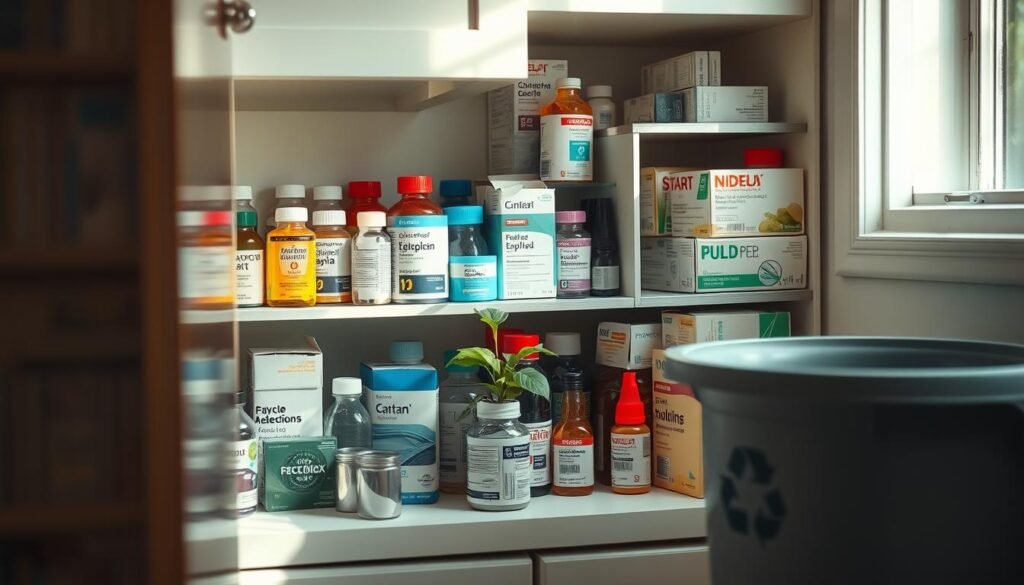
It’s very important to handle expired medications carefully, especially for older adults with many prescriptions. Getting rid of these medications quickly helps avoid accidental use and health dangers. It’s good to know how to safely get rid of them. Safe disposal methods include local programs that help throw away medications the right way.
Safe Disposal Methods
If you can’t find a take-back program, there are still safe ways to dispose of medications. Here are steps for peace of mind:
- Crush expired pills and mix them with something nasty, like dirt or cat litter.
- Put the mix in a bag or container and throw it away in your trash.
- Scrape your name and info off medication containers before you throw them away.
- Some meds can go down the toilet, but only if the label says that’s okay.
Importance of Regular Medication Reviews
Everyone, especially those on many prescriptions, needs regular medication reviews with their doctors. At least once a year is ideal. This helps check if all medications are still needed. It lowers the chance of bad reactions, which is common in older adults. It also makes sure all medications taken are really needed for health.
About 89% of older adults take prescription drugs. So, managing expired medications is key to their health care. A detailed list of all medicines, including over-the-counter ones and supplements, is very helpful. Regular check-ups make managing medicines safer and more effective.
Potential Contraindications
Knowing which medications don’t mix well is key for keeping patients safe. Some health issues can make certain drugs risky, leading to dangerous reactions. People often don’t understand how their health can affect drug use. They need to talk openly with their doctors.
Understanding Medical Conditions and Their Impact
Some health problems need extra care when prescribing meds. For example, folks using blood thinners need to watch out. Mixing them with some antibiotics or common pain relievers can mess up their treatment. A study showed that 30% of patients taking too much acetaminophen had treatment issues.
These conditions are especially risky with the wrong drugs:
- Mechanical heart valves or atrial fibrillation needing blood thinners
- Liver problems that change how drugs work
- Long-term lung issues affected by sleep meds
Alcohol and Drug Interactions
Alcohol can change how meds work, sometimes in unsafe ways. It’s especially true with drugs for sleep or pain. Mixing alcohol with these can lead to too much sleepiness or even an overdose. For instance, a sedative and an allergy med together can slow your reactions.
This can make driving unsafe. It’s important to talk to your doctor about alcohol and your meds.
Conclusion
Understanding drug combination precautions is key to health and safety. Shocking facts show 40% of adults mix meds with alcohol, risking negative effects. It’s important to watch for drug interactions, especially in older adults. About 80% of them face these dangers.
Following your doctor’s advice and talking with them is crucial. This helps avoid the risks of mixing many meds. By having your medications checked regularly, you can avoid bad reactions. For example, managing how you consume substances like grapefruit juice is important.
To conclude, being proactive with your meds is empowering. Being aware and following safety tips helps manage drug interactions. This ensures safety and well-being for everyone.