Ever feel like your anxiety is sneaking up on you, making simple things hard? Many people think they can handle anxiety on their own. However, as worry and stress build up, they realize they need good ways to deal with it. We’ll look at different ways to manage anxiety in this piece. These methods not only help with anxiety symptoms but also give you tools for better mental health in the long run. It’s important to understand how anxiety shows up and know when it’s getting worse, so you can take back control of your mental health.
Key Takeaways
- Recognizing signs of worsening anxiety is crucial for timely intervention.
- Effective anxiety management techniques can improve daily functioning.
- Support systems play a vital role in coping with anxiety.
- Professional help is often necessary when self-management strategies fall short.
- Engaging in lifestyle changes can significantly reduce anxiety symptoms.
Understanding Anxiety and Its Impact
Anxiety is something that can happen to anyone. It often shows up when we’re stressed. It’s important to know it’s there so we can handle it well. The way anxiety affects people can be really different for everyone. Knowing about these differences helps a lot when looking for mental health support. Talking about anxiety helps us find ways to cope and get help when things get tough.
What is Anxiety?
Anxiety feels like worry or fear that doesn’t go away easily. It’s not just feeling stressed sometimes; it can seriously affect how we live. Studies show that about 40 million adults in the U.S. might deal with an anxiety disorder at some time in their lives.
Common Symptoms of Anxiety
There are many symptoms of anxiety. They can affect both our bodies and minds. Here are some common ones:
- Nervousness or restlessness
- Increased heart rate
- Rapid breathing
- Excessive sweating
- Feelings of tension or a sense of impending doom
- Ruminating thoughts that can cycle endlessly
Knowing these symptoms is the first step toward managing anxiety and getting help.
How Anxiety Affects Daily Life
Anxiety can make everyday life hard. It can mess with work, friendships, and fun. For instance, it can make people pull away from others. This happens to about 40% of people with anxiety disorders. Staying away from others can make feelings of sadness or loneliness even worse. Plus, anxiety disorders are expensive for the U.S., costing about $42 billion a year in lost work.
It’s really important to face these problems to live better and happier.
| Type of Anxiety Disorder | Prevalence in U.S. Adults (%) |
|---|---|
| Generalized Anxiety Disorder | 3.1% |
| Social Anxiety Disorder | 12.1% |
| Panic Disorder | 4.7% |
| Specific Phobias | 12.5% |
Seeing how big an issue anxiety is matters a lot. Realizing things are getting worse is a call to get help. This can mean therapy, changing your lifestyle, or maybe medication. It’s good to reach out and use the support out there to get through anxiety and feel better.
Recognizing When Anxiety Is Worsening
Knowing when your anxiety is getting worse is key. Many people feel their anxiety levels rise when it’s harder to cope. These symptoms can change the way we live our lives daily. It’s important to notice these signs to take action early.
Signs Your Anxiety Is Getting Worse
Avoiding more things than usual can signal growing anxiety. You might start to avoid people or activities you once enjoyed. You could also feel physical signs like breathing fast, feeling dizzy, or tense muscles along with feeling more worried. These signs show your body reacting to increased anxiety.
Having lots of negative thoughts can make worry and unease worse. It’s crucial to watch for changes in how you feel inside.
The Cycle of Anxiety
The cycle of anxiety can keep going if not stopped. Using avoidance as a way to cope can make you less confident. This, in turn, can make you more anxious later on, forming a tough cycle to break. Knowing about this cycle helps in finding ways to lessen anxiety.
Stopping this cycle early can really help in getting better. It leads to learning new ways to cope that are healthier.
Emotional and Physical Manifestations
Anxiety shows up in what we feel and in our bodies too. Emotionally, you might feel scared, easily upset, or very sad. Physically, you could have a fast heartbeat, sweat a lot, or have stomach problems. Knowing these signs lets people find help or coping methods earlier.
Effective Coping Strategies
Handling anxiety is tough, but using the right strategies can help manage symptoms better. Creating a set of techniques for handling stress boosts confidence. Here are some helpful methods.
Breathing Techniques
Anxiety management techniques often include deep breathing. It’s about focusing on your breath to feel calm. Slow, deep breaths can slow your heart rate and lessen stress.
With regular practice, deep breathing can improve how you handle anxiety in different situations.
Mindfulness and Meditation
Mindfulness and meditation greatly benefit mental health. These practices help you concentrate on the current moment, easing stress.
Studies show mindfulness can reduce anxiety. Adding it to your daily routine can make you feel more peaceful and stable.
Journaling for Mental Clarity
Journaling is a powerful way to express feelings and clear your mind. It helps you understand your thoughts and emotions better, essential for effective anxiety management.
Engaging in Physical Activity
Staying active is vital for your mental health and helps in coping with anxiety. Exercise releases endorphins, improving mood and reducing stress.
Making exercise a regular part of your life can help control anxiety and boost well-being.
| Strategy | Benefits | How to Implement |
|---|---|---|
| Breathing Techniques | Reduces heart rate, lowers stress | Practice slow, deep breaths for several minutes daily |
| Mindfulness and Meditation | Enhances present-moment awareness, lowers anxiety levels | Set aside time for daily meditation sessions |
| Journaling | Encourages expression, promotes mental clarity | Write regularly about thoughts and feelings |
| Physical Activity | Boosts mood, decreases stress | Incorporate at least 30 minutes of exercise several times a week |
Professional Help for Anxiety
Seeking help from a mental health expert is key for anyone struggling with anxiety. Signs that you might need therapy include constant anxiety that messes with daily life. If self-help isn’t working, or if you’re also feeling depressed, it’s time to get help. Getting therapy can offer the support and strategies needed to tackle overwhelming emotions.
When to Seek Therapy
Knowing when it’s time to get therapy is important. If your symptoms ruin your quality of life or make daily tasks hard, you might need professional help. If anxiety is making work, relationships, or daily life tough, or if you feel alone and hopeless, therapy could be vital for taking back control.
Types of Therapy Available
There are many effective therapies out there, like Cognitive Behavioral Therapy (CBT). CBT helps people change bad thought habits and learn how to cope better. Exposure therapy is another method, where you face your fears little by little to lessen anxiety. Both have proven to greatly help improve mental health.
Medication as a Treatment Option
Sometimes, medicine can help alongside therapy for anxiety. Doctors often prescribe antidepressants and benzodiazepines to ease symptoms. Studies show that medication can make psychotherapy more successful. Only a qualified healthcare professional can figure out the best treatment plan for each person.
Building a Support System
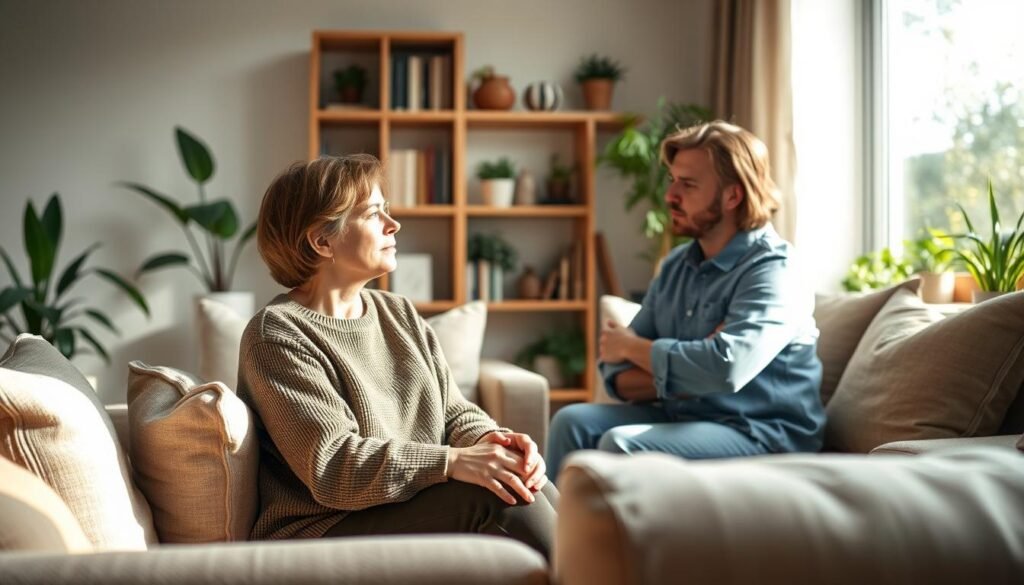
Making a strong support system is key for anyone dealing with anxiety. These relationships offer emotional support and understanding. This makes feeling alone less overwhelming. Talking about your worries with friends, family, or others creates a bond. Also, finding groups tailored to anxiety can greatly help your healing process.
Importance of Social Connections
Being socially connected is very important for mental well-being. Those with anxiety might face effects like restlessness or being very tired, which loneliness can worsen. Having people around offers emotional and practical help. Being alone too much can be as harmful as smoking a lot or drinking too much. Finding supportive friends or joining community activities can really make a difference.
How to Communicate Your Feelings
Talking about your feelings clearly is crucial for getting the help you need. It can be scary to open up, but sharing often leads to better results than expected. By talking about what you’re going through, others can offer support and understanding. Getting help from those we trust can give us a safe place to share our fears.
Finding Support Groups
Finding the right support group can be a big step in dealing with anxiety. These groups provide a space to share with others who understand because they’ve been there too. Participating in a group, whether it’s face-to-face or online, helps build empathy and understanding. People share ways to cope, working together to face anxiety. To discover groups that can help, check out anxiety support groups for many resources.
Lifestyle Changes to Mitigate Anxiety
Changing your lifestyle can majorly help with anxiety management. The food you eat plays a big role in this, affecting your mood and well-being. Eating healthy can reduce anxiety symptoms, leading to a more balanced life.
Nutrition and Its Role in Mental Health
Eating a balanced diet is key for good brain function. Having protein in the morning helps keep your blood sugar stable, which makes you feel energized and in a good mood all day. Eating complex carbs, like whole grains, boosts serotonin in the brain, which calms you down.
Eating fish like salmon, rich in omega-3 fats, is also great for your mental health. For more tips, check out this resource.
The Impact of Sleep on Anxiety
Getting enough sleep is crucial for handling emotions. Not sleeping enough can make anxiety worse. Trying to get at least eight hours of good sleep each night is important for your mental health.
Lack of sleep can raise anxiety. So, making sure you sleep well is a key change for managing anxiety.
Limiting Caffeine and Alcohol
Cutting down on caffeine is good for those dealing with anxiety. It can cause nervousness and make anxiety stronger, especially before sleep. Likewise, alcohol might seem to relax you at first, but it messes with your sleep and can increase anxiety later.
Less alcohol can help improve anxiety and overall mood. Paying attention to how much you drink is important.
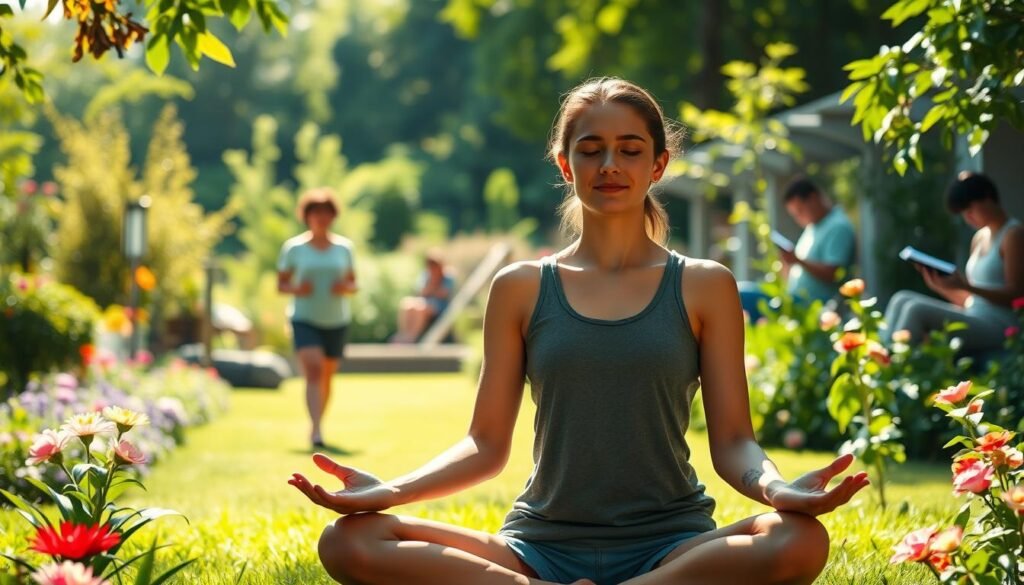
These lifestyle changes can really boost your mental health. Eating right, sleeping well, and watching your intake of caffeine and alcohol can help you manage anxiety better and live a fuller life.
Creating a Safe Space
Creating a safe space at home is key to managing stress and anxiety. It’s about making a space that feels comfortable and peaceful. This can be done by arranging your space carefully, using calming scents, and having comfort objects around.
Designing a Calming Environment
A tidy and calm area at home can really help anyone with anxiety feel better. Clearing clutter helps you feel in control and clear-minded. Soft colors and natural light make the space feel peaceful.
Adding soft music or sounds of nature can make the space even more relaxing. It’s all about making a place where you can unwind and find mental health support.
The Power of Aromatherapy
Aromatherapy is great for creating a calming space. Scents like lavender or chamomile help relax you. Research shows these scents can improve how you feel emotionally.
Using pleasant smells is a smart way to deal with anxiety in tough times.
Using Comfort Objects
Things like weighted blankets or special items from loved ones can reduce anxiety. They bring feelings of safety and happiness. Keeping these items close in your safe space provides quick comfort when things get tough.
| Element | Purpose | Benefit |
|---|---|---|
| Calming Colors | Reduce stimulation | Encourages relaxation |
| Aromatherapy | Promote well-being | Enhances mood |
| Comfort Objects | Provide security | Reduces anxiety |
Developing Resilience
Resilience is key to facing challenges, especially when we feel anxious. Working on resilience can help us find mental health support. It lets us overcome tough times and bounce back stronger.
Cultivating a Positive Mindset
Having a positive mindset helps us deal with life’s hurdles better. Studies show that resilient people can better handle stress from bullying or trauma. By finding purpose in what we do, we can boost our resilience by 40%, making us happier overall.
Setting Realistic Goals
It’s important to set goals we can reach to stay motivated. This keeps away feelings of helplessness linked to anxiety. Getting support from others can make us 50% more likely to ask for help when needed, research says.
Learning from Setbacks
Seeing setbacks as part of learning makes us more resilient. Writing down how we’ve managed before can improve our resilience by 25%. This helps us handle problems better in the future.
| Resilience-Building Activity | Estimated Improvement in Resilience | Timeframe for Notable Change |
|---|---|---|
| Physical Activity | 30% | 3 to 6 months |
| Journaling | 25% | 3 to 6 months |
| Engagement in Purposeful Activities | 40% | Ongoing |
| Social Support Seeking | 50% | Immediate |
Long-Term Strategies for Managing Anxiety
Managing anxiety is a long journey. Using long-term strategies is key to staying mentally healthy. One good way to start is by making a daily routine. This gives you structure and makes things less stressful.
Having a routine also helps you stick to ways to manage anxiety. It leads to a healthier life overall.
Learning more about anxiety is also important. Understand the symptoms and how to cope. The more you know, the easier it is to handle your triggers. Tools like anxiety management techniques can be very helpful.
Being flexible in life also lowers stress. Accepting change makes it easier to deal with problems without feeling too stressed. This way, you become more resilient. These strategies help make dealing with anxiety easier, improving your life.
FAQ
What are the common symptoms of anxiety?
How can I recognize when my anxiety is worsening?
What coping strategies can I use to manage my anxiety?
When should I consider seeking professional help for my anxiety?
What types of therapy are available for anxiety treatment?
How can building a support system help with anxiety?
What lifestyle changes can help manage anxiety?
How can I create a calming environment to reduce anxiety?
What does it mean to cultivate resilience in managing anxiety?
What are long-term strategies for managing anxiety effectively?
Source Links
- Get help with anxiety, fear or panic
- Generalized Anxiety Disorder: When Worry Gets Out of Control
- How to Cope with Anxiety: 11 Simple Tips
- Anxiety disorders – Symptoms and causes
- Why is my anxiety so bad? Possible causes and FAQs
- What doctors wish patients knew about managing anxiety disorders
- Understanding Anxiety Disorders
- Stressors: Coping Skills and Strategies
- What to Do If You Have Extreme Anxiety
- Anxiety disorders – Diagnosis and treatment
- Therapy for Anxiety Disorders – HelpGuide.org
- Doctors Who Treat Anxiety: What to Say and Ask
- How to Help Someone with Anxiety
- Build a Strong Social Support System with Ease
- Highland Springs Specialty Clinic – The Benefits And Importance Of A Support System
- Find out how food and anxiety are linked
- Natural Remedies for Anxiety: 10 Ideas
- Lifestyle changes for managing anxiety | Parkview Health
- Anxiety Disorders and Anxiety Attacks: Symptoms & Treatment
- Anxiety – Every Mind Matters
- Anxiety Won’t Kill You
- How to build resiliency
- 5 simple ways to reduce anxiety and increase resilience | LifeLabs Learning